
What are some of the challenges of planning a concert?
- Budgeting and financial management
- Venue selection and logistics
- Artist coordination and management
- Marketing and promotion
- Technical and production challenges
Behind every mesmerizing concert that leaves audiences in awe, there is an intricate web of challenges that event organizers must conquer. From budget constraints to finding the perfect venue, planning a concert is no easy feat.
In this blog post, we will explore the key challenges of planning a concert and provide valuable insights on how to overcome them, catering specifically to event organizers and planners in search of their ideal concert venue.
Budgeting and Financial Management
Planning a concert is no small feat, and among the greatest challenges event organizers face are effective budgeting and financial management. Allocating resources to cover various expenses such as artist fees, production costs, marketing expenses, venue rental, and staffing requires careful consideration. Creating a comprehensive budget with a clear breakdown of costs is crucial to ensure the event remains financially viable.
Event organizers should conduct thorough research to identify potential expenses and create a detailed budget plan. It is essential to consider potential revenue streams such as ticket sales, sponsorships, and merchandise sales to offset expenses. That’s why it’s important to maximize profitability and reduce reliance on ticket sales alone. Seeking sponsorships from brands aligned with the concert’s theme or target audience provides an additional source of income. Exploring partnerships with local vendors and implementing sustainable practices can also contribute to the event’s financial success.
Collaborating with experienced professionals and industry experts can also significantly aid in navigating the financial aspects of concert planning. Their insights and guidance can help organizers make informed decisions and identify potential cost savings without compromising the quality of the event. Leveraging their expertise streamlines the budgeting process and ensures efficient allocation of resources.
Venue Selection and Logistics

Choosing the perfect venue for a concert is a task that can make or break the overall success of the event. It requires careful consideration of various factors, such as capacity, acoustics, location, accessibility, amenities, and accommodations. Each of these elements plays a crucial role in creating a memorable concert experience for both the audience and the artists.
Conducting extensive research is essential when exploring potential venues. Event organizers should seek out venues that have a proven track record of hosting successful concerts and events. They can look for reviews, testimonials, and recommendations from other organizers or industry professionals.
Event organizers should aim to secure the best possible deal, considering factors such as rental fees, additional services or amenities offered, and any potential discounts or incentives available.
Logistics planning is equally important when it comes to venue selection. Organizers should develop a comprehensive plan that covers all aspects of the event, including load-in and load-out schedules, parking arrangements, and accessibility for both the audience and the artists. By carefully considering these logistics, organizers can ensure a smooth and efficient operation on the day of the concert, minimizing any potential disruptions or delays.
Artist Coordination and Management
Working closely with artists and their management teams can also be challenging. Negotiating contracts, coordinating travel arrangements, ensuring hospitality requirements, and managing artist expectations requires clear communication, meticulous organization, and attention to detail.
One important aspect of artist coordination is understanding and meeting the specific requirements outlined in their rider. This is a document that outlines the technical specifications, backstage amenities, and other demands made by the artist. Event organizers should thoroughly review the rider and ensure that all necessary arrangements are made to meet these requirements. This may include providing specific audio and lighting equipment, dressing room facilities, food and beverage preferences, and promotional considerations.
Building positive relationships with artists and their management teams is paramount. By fostering open and respectful communication, event organizers can establish a foundation of trust and collaboration. Understanding and appreciating the artist’s creative vision, while also balancing logistical and budgetary considerations, is key to creating a successful concert experience.
Marketing and Promotion
Effective marketing and promotion play a crucial role in the success of a concert. It involves identifying the target audience, developing a compelling marketing strategy, and executing promotional activities within a competitive landscape. This can be a challenging task, but with the right approach, event organizers can overcome this challenge and drive ticket sales while creating buzz around the event.
Utilizing various marketing channels is essential to reach a wider audience. Social media platforms such as Facebook, Instagram, and Twitter provide excellent opportunities to connect with fans and followers, share engaging content, and generate excitement for the concert.
Strategic partnerships with relevant organizations or media outlets can also amplify the concert’s visibility. Collaborating with local radio stations, music blogs, or event listing websites can help increase exposure and reach potential attendees who are actively seeking concert experiences.
Visual appeal plays a significant role in attracting potential attendees. By creating compelling visuals such as eye-catching posters, banners, and promotional videos, event organizers can capture the attention of the target audience and communicate the essence and excitement of the concert.
Engaging with fans and followers is crucial throughout the promotional period. Event organizers should actively respond to inquiries, comments, and messages promptly. This helps build a sense of community and fosters a positive relationship with potential attendees. Organizers can also encourage user-generated content by running contests or giveaways, encouraging attendees to share their excitement and anticipation for the concert on social media platforms.
Technical and Production Challenges
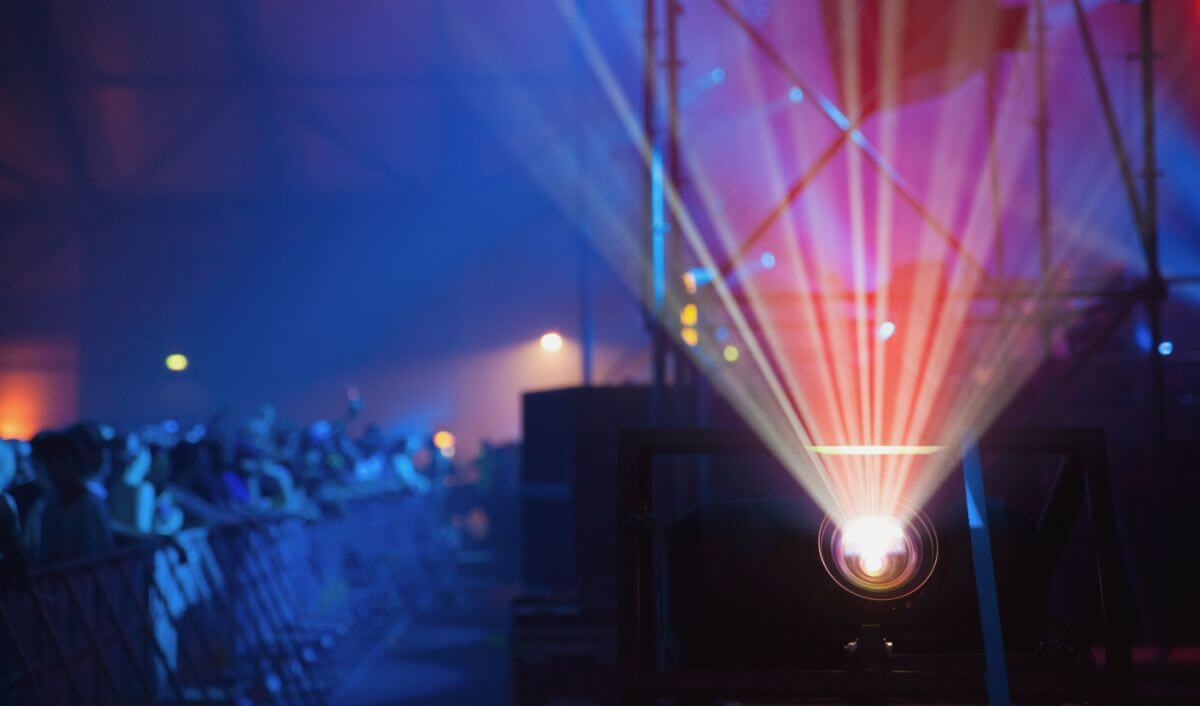
Concerts are complex events that require meticulous attention to technical and production elements to create a memorable experience for the audience. From sound systems and lighting to staging and audiovisual requirements, these elements need to be seamlessly integrated for the concert’s success.
A venue having hosted numerous concerts in the past can be an indication of specialized experience in organizing technical and production concerns for such events. Their team likely understands the unique needs of artists, technical production, and audience experience.
From the technical intricacies of sound engineering to the visual spectacle of lighting design and stage production, the collaboration of skilled technicians and the production team elevates the concert experience to new heights.
This is why in-person concerts, compared to digital concerts, offer an unparalleled audio experience, meticulously fine-tuned by audio engineers who understand the intricacies of acoustics and optimal sound distribution. They carefully calibrate the sound system to ensure every note, beat, and lyric resonates with clarity and impact, creating an immersive sonic environment that envelops the audience.
Key Takeaway
The challenges of planning a concert can be tiring, but can be overcome. A well-chosen venue with a dedicated team can streamline operations, offer flexibility, and provide essential support to event organizers. From its capabilities to accommodate diverse requirements to its professional staff and state-of-the-art facilities, the venue becomes the foundation upon which successful concerts are built.
Experience the epitome of event excellence at World Trade Center Manila, the ultimate event place in Manila. Whether you’re organizing a grand concert or an intimate musical performance, our team is ready to collaborate with you and transform your vision into an unforgettable reality. Contact us now and let us help you bring your vision to life.


